

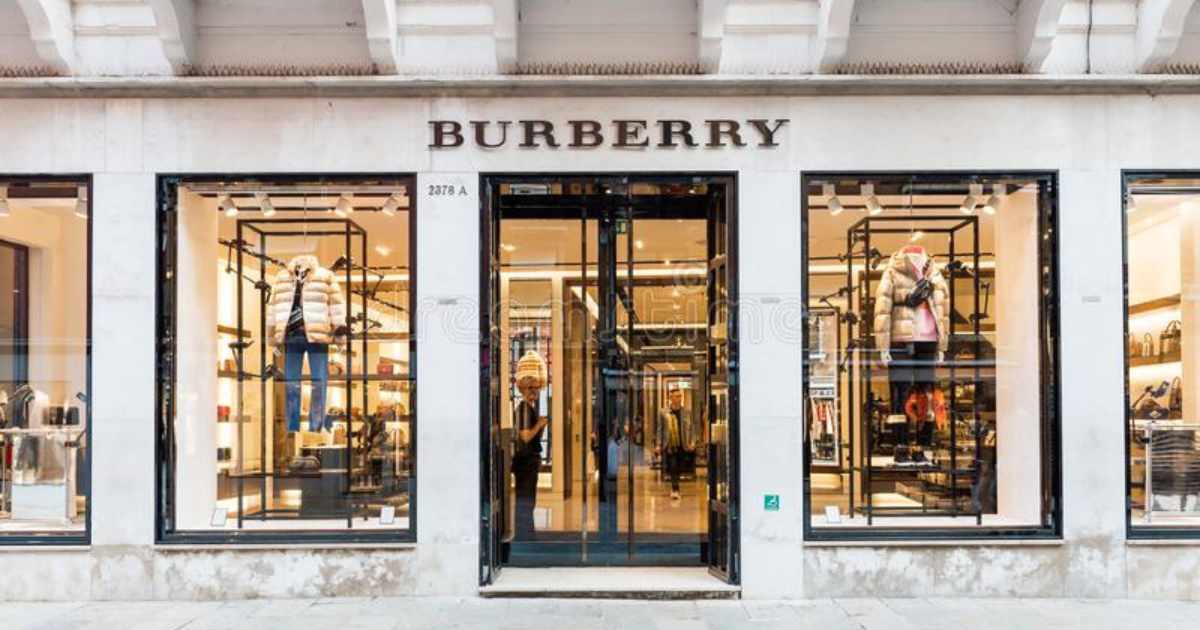

Luxury fashion can often surprise us, but British brand Burberry’s approach to unsold inventory is genuinely unexpected. Instead of offering discounts or donating unsold stock, Burberry has burned clothing and other products worth over ₹800 crore. The move, part of their high-stakes brand management strategy, may sound wasteful, but Burberry—and other high-end brands—see it as a necessary step to protect their exclusivity.
Protecting the Luxury Brand Image
Burberry, a brand synonymous with exclusive and high-quality fashion, faces a unique challenge. Luxury brands carefully manage their image by keeping products limited and maintaining high prices. Any attempt to discount, donate, or flood the market with unsold goods is seen as damaging to their identity. To prevent their brand image from being diluted, Burberry uses controlled destruction of unsold items.
How Does Destroying Stock Benefit the Brand?
The luxury market relies heavily on exclusivity. High-end brands like Burberry do not want to reduce the prices of past-season items, as it might reduce demand for their new collections. Instead of holding excess stock or lowering prices, they opt to destroy goods, believing this strategy maintains an air of exclusivity. By keeping supply limited, brands like Burberry can keep demand steady, positioning their products as true luxury items.
More Than Just Fashion: Fear of Imitation
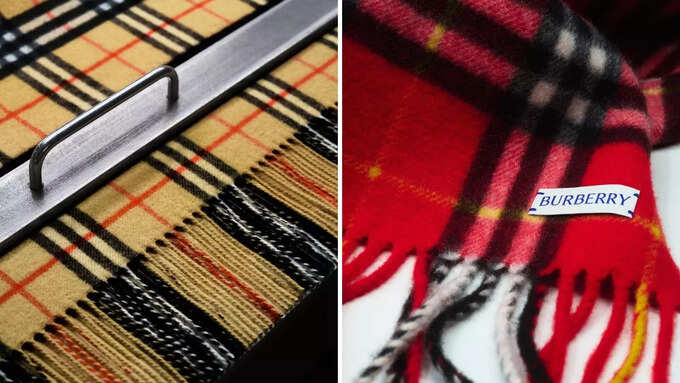
One of the reasons Burberry has openly shared for destroying stock is to prevent their designs from being copied. Cheap imitations of Burberry products can affect the value and appeal of the brand, undermining their market reputation. By ensuring that unsold stock never hits the market—even through resale or charity—Burberry controls the distribution of authentic products, reducing the risk of counterfeit goods.
Sustainability vs. Exclusivity: Why Not Donate?
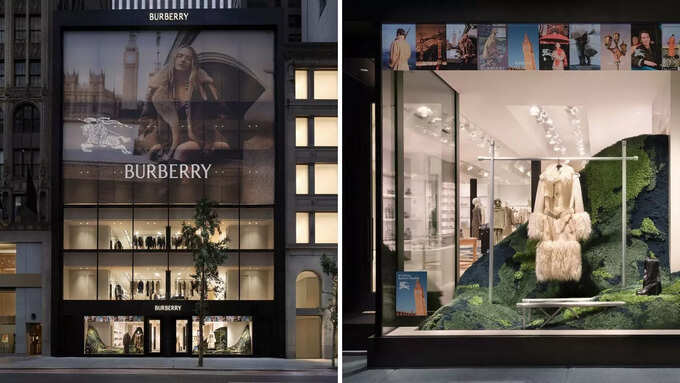
Many have criticized Burberry’s approach, suggesting they donate unsold items to those in need. However, luxury brands argue that such steps could affect their market positioning and perception of exclusivity. They fear that giving away products, even for charity, could impact their brand’s image and reduce the perceived value of the product.

Example from Other Brands
Burberry isn’t alone in this strategy. Richemont, the owner of high-end jewelry and watch brands like Cartier, admitted to a similar approach. In 2018, Richemont revealed that they destroyed nearly $563 million in unsold inventory. For Richemont, much like Burberry, these actions are part of a strategy to prevent discounts and maintain their exclusivity.
Financial Strategy or Ethical Dilemma?
Burberry’s stock destruction has raised questions about sustainability, especially given the brand’s public commitment to environmental responsibility. In recent years, public pressure has led some companies to rethink how they handle unsold inventory. After facing backlash in 2018, Burberry pledged to stop burning unsold stock and to focus on more sustainable practices. Now, Burberry works to recycle or reuse leftover materials rather than destroy them.

Burberry’s Current Approach
After committing to a more environmentally friendly policy, Burberry now avoids destroying unsold items. Their new approach emphasizes upcycling, reusing, and recycling materials when possible, which aligns better with the global push for sustainable practices in fashion. This shift represents an effort by luxury brands to balance their exclusivity with a growing responsibility to reduce waste.
Ultimately, while luxury brands face unique challenges in maintaining their exclusivity, consumer preferences for sustainability are pushing them to explore new methods for managing unsold stock. Whether luxury brands like Burberry can find a way to protect their brand without the drastic measure of burning unsold goods remains to be seen.
