



When a woman conceives, one of the most common fears is the pain of natural delivery. Alongside this, the fear of the vagina becoming loose after childbirth often troubles many women. This concern can sometimes lead women to opt for a C-section, even when a natural delivery is possible.
Gynecologist Dr. Tanya Gupta sheds light on this topic, explaining the changes that occur in the vagina during and after childbirth. She assures that while the vagina does stretch during delivery, it gradually begins to recover postpartum.
Understanding Vaginal Looseness After Delivery
The fear that natural delivery will permanently loosen the vagina is widespread, but it’s important to understand the body’s natural recovery process.
1. When Does the Vagina Become Loose?
According to Dr. Tanya Gupta, the vagina does stretch during childbirth, particularly with repeated deliveries (third or fourth deliveries). With each delivery, the vaginal muscles are stretched, leading to some degree of looseness. However, for most women, especially those experiencing their first pregnancy, the looseness is minimal and usually not noticeable.
2. Factors Influencing Vaginal Looseness
The degree of looseness in the vagina after childbirth varies from woman to woman. Factors that influence this include:
- Baby’s Size: Larger babies can cause more stretching of the vaginal muscles.
- Genetics: Some women may naturally have more elastic vaginal muscles, while others may have less.
- Labor Duration: The length of time spent pushing during labor can also affect how stretched the vagina becomes.
- Number of Deliveries: Women who have had multiple vaginal deliveries are more likely to experience some degree of looseness.
- Pelvic Floor Exercises: Engaging in pelvic floor exercises before and after delivery can help maintain vaginal tightness.
Postpartum Recovery: When Does the Vagina Return to Normal?
Every woman’s body is unique, and the recovery period after delivery can vary significantly. The vagina is incredibly flexible, designed to stretch enough to allow for childbirth.
1. Typical Recovery Timeline
Most women find that their vagina returns to its pre-pregnancy state within 6 to 8 weeks after a normal delivery. However, some women may take longer to recover, especially if they have had multiple deliveries. The flexibility of the vagina may decrease slightly with each subsequent delivery.
2. Long-Term Changes
For women who have had several vaginal deliveries, the vagina might be less flexible over time. However, this doesn’t mean that significant looseness or a permanent change will necessarily occur. The body has a remarkable ability to heal and recover, and many women find that their vagina feels very similar to how it did before childbirth.
Strengthening the Pelvic Floor: Exercises to Tighten the Vagina
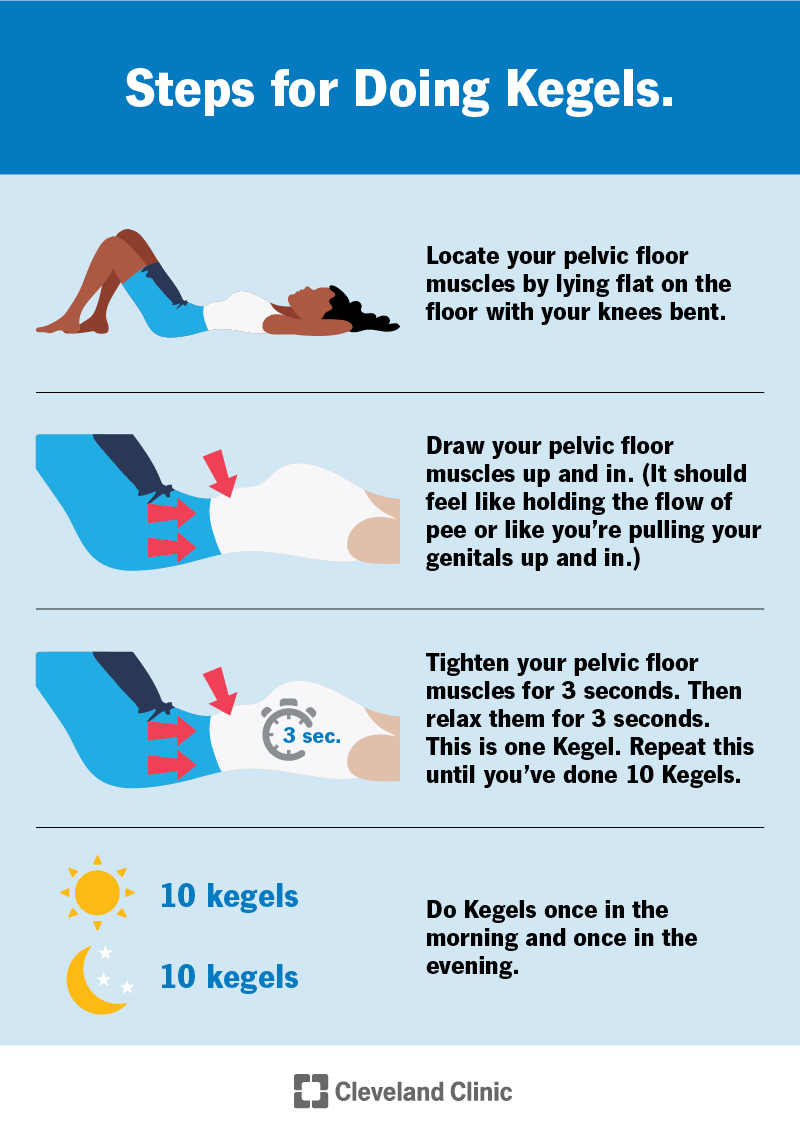
One of the most effective ways to maintain and regain vaginal tightness after childbirth is through pelvic floor exercises, also known as Kegel exercises. These exercises strengthen the muscles that support the bladder, rectum, small intestine, and uterus, helping to tone the vagina.
1. How to Perform Kegel Exercises
Kegel exercises are simple to do and can be performed anywhere, at any time. Here’s how:
- Identify the Right Muscles: The easiest way to locate your pelvic floor muscles is to try to stop urination midstream. The muscles you use to do this are your pelvic floor muscles.
- Practice Squeezing: Once you’ve identified these muscles, squeeze them and hold for about 5 seconds. Then relax for 5 seconds.
- Repeat: Try to do this exercise in sets of 10, three times a day. Over time, increase the duration of the squeezes and the number of repetitions.
2. Benefits of Kegel Exercises
In addition to tightening the vagina, Kegel exercises can help prevent or reduce incontinence, a common issue after childbirth. They also improve overall pelvic health, which can enhance sexual satisfaction and comfort.
Addressing Vaginal Dryness
Another common issue after childbirth is vaginal dryness, which can be uncomfortable and may affect sexual activity. This dryness is often due to a decrease in estrogen levels in the body postpartum.
1. Using Lubricants
If you experience vaginal dryness, using a lubricant during sex can help reduce discomfort. It’s important to choose a lubricant that is safe and effective, and you may want to consult your doctor for recommendations.
2. Staying Hydrated and Healthy
In addition to using lubricants, staying hydrated and maintaining a healthy diet can support overall vaginal health. Foods rich in omega-3 fatty acids, for example, can help maintain the health of vaginal tissues.
Final Thoughts: Embracing the Postpartum Body
The changes that occur in a woman’s body after childbirth are natural and are a testament to the incredible process of bringing new life into the world. While concerns about vaginal looseness are common, it’s important to remember that the body is resilient and capable of remarkable recovery.
By understanding the factors that influence vaginal changes and taking proactive steps, such as performing pelvic floor exercises and addressing any issues with dryness, women can feel more confident and comfortable in their postpartum bodies.
If you have concerns about your recovery or any changes in your body after childbirth, don’t hesitate to speak with your healthcare provider. They can provide guidance, support, and resources to help you navigate this new chapter in your life.
(Disclaimer: This article is for general informational purposes only. Each person’s body is different, so it’s important to consult with your doctor for personalized advice and treatment options.)
